No products in the cart.
When we examine the foundation of modern human life, we face an unsettling truth: the modern civilization we pride ourselves on is built almost entirely on an extremely fragile electrical grid. In recent years, extreme weather across the United States has been tearing apart this once-thought-unbreakable power network with unprecedented frequency and intensity. The deadly cold snap that swept Texas in 2021 (Winter Storm Uri) left millions of families shivering in subzero temperatures, exposing the vulnerability of America’s independent power grid under extreme climate conditions. However, as climate change intensifies, an even more frequent and deadly threat has emerged in the sweltering summer heat. Across California, Arizona, Nevada, and other states, consecutive days of extreme heat topping 100°F (approximately 38°C) have forced grid operators to issue frequent Flex Alerts, and even implement regional rolling blackouts to prevent a total grid collapse.
Against this backdrop of climate upheaval, the very concept of “home” is undergoing a profound transformation. Once, a home was a resting place dependent on external resource supply; today, when deadly heat strikes, when air conditioners shut down, refrigerated food spoils, and life-sustaining medical equipment blares urgent alarms from power loss, an ordinary house can quickly turn into a suffocating oven. Faced with this existential crisis caused by climate change and aging infrastructure, modern households must complete a systemic upgrade from “passive dependence” to “active defense,” transforming ordinary residences into self-sufficient “home sanctuaries” that remain viable in extreme conditions. At the core of building this micro-sanctuary lies the lithium iron phosphate (LFP, LiFePO₄) battery — the most critical and irreplaceable cornerstone.
The Fragile Grid and the Awakening of the “Home Sanctuary”
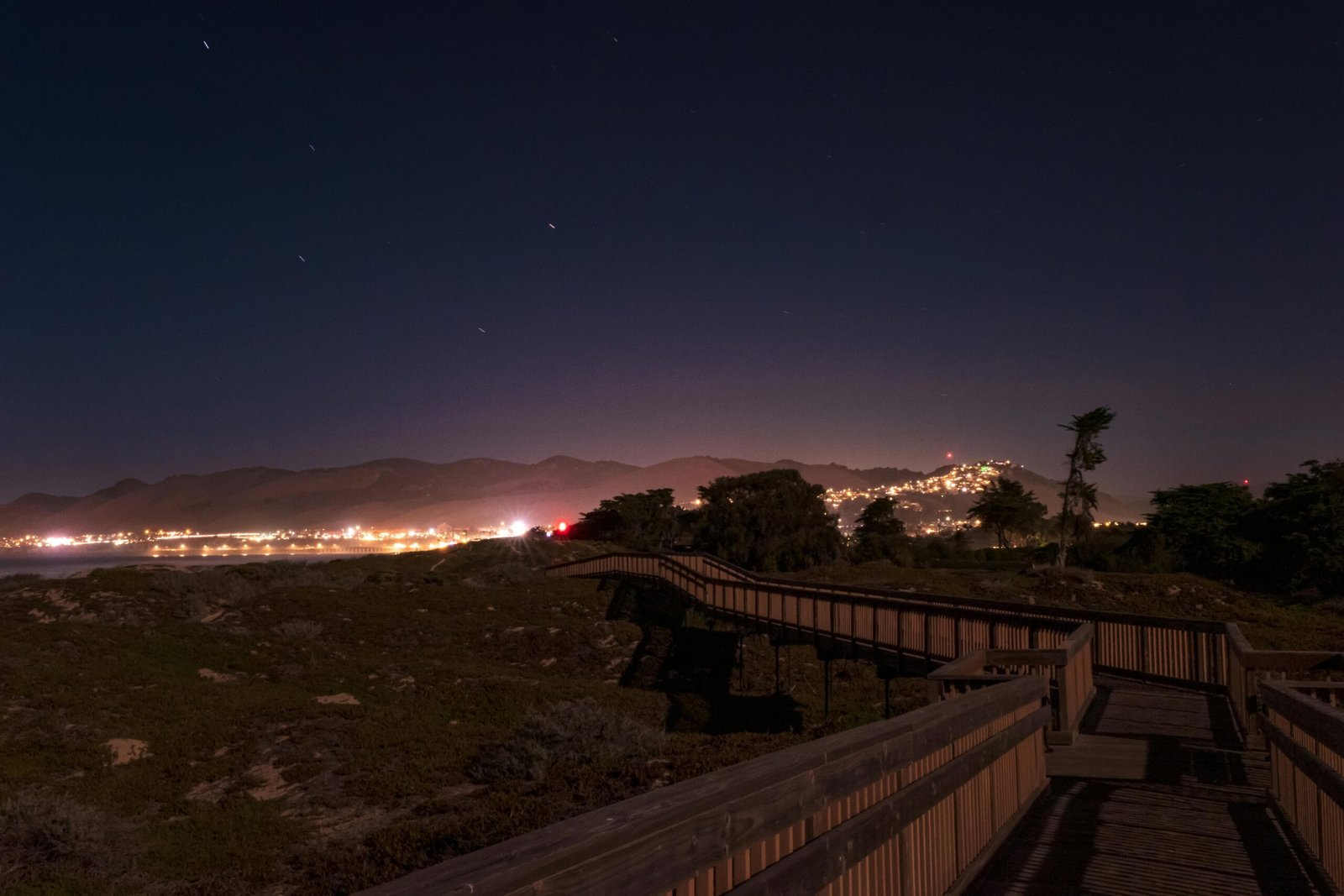
To understand why we need to build a “sanctuary” at home, we must first grasp how the modern power grid operates under extreme heat. Every summer, as heatwaves blanket the United States, tens of millions of household air conditioners run at full power simultaneously. This sudden surge in massive demand slams into the severely aging transmission and distribution network like a tsunami. Overloaded transformers catch fire, power lines sag and short-circuit due to high temperatures, coupled with Public Safety Power Shutoffs (PSPS) implemented proactively to prevent wildfires. As a result, summer power outages have shifted from “rare accidents” to a “normalized risk.”
In the first few hours of a heat-related blackout, people may barely endure with the help of their home’s original insulation. But if the outage lasts 24 hours or longer, the situation deteriorates rapidly. Indoor temperatures soar to dangerous levels, and for the elderly, children, and those with chronic illnesses, losing air conditioning is not just a loss of comfort — it is a direct threat to life. At the same time, power loss cuts off all connection to the outside world: phones cannot charge, Wi-Fi routers go dark, and access to the latest weather forecasts and emergency information is lost.
Thus, the core logic of a “home sanctuary” is not about maintaining lavish energy consumption as in normal times during a disaster, but about holding firm to an absolute safety line when it matters most: sustaining life-support systems (such as cooling equipment and ventilators), preserving essential supplies (refrigerated food and water pumps), and maintaining critical communication (phones and internet). Inside this sanctuary, you need an energy source that is utterly reliable, safe, and continuously rechargeable. While traditional gas generators can serve as a stopgap, their deafening noise, acrid toxic fumes (carbon monoxide poisoning is the most common secondary disaster during blackouts), and the extreme difficulty of refueling in crisis situations make them unsuitable as a long-term solution for modern families. This is precisely why LFP batteries have taken center stage.
Why LFP? The Safety Foundation of Your Home Sanctuary
Not all lithium batteries belong in your living room or garage. In recent years, there have been frequent reports of fires caused by thermal runaway in traditional nickel-manganese-cobalt (NMC) batteries. When building a “sanctuary” designed to save lives in extreme heat, the last thing you need is an energy storage device that could itself become a hazard.
The reason lithium iron phosphate (LFP) batteries have dominated the residential energy storage market lies in the absolute stability of their molecular structure. The phosphorus-oxygen (P-O) covalent bonds in LFP cathode materials are extremely strong. This means even when exposed to summer heat, physical puncture, short circuits, or other extreme damage, their exceptionally high thermal runaway threshold (typically above 270°C, far higher than NMC’s 150°C) ensures they do not smoke, ignite, or explode. This “non-flammable” chemical property gives LFP the ultimate seal of approval as the heart of home energy storage.
Beyond that, LFP batteries boast an impressive cycle life. Under normal depth of discharge, high-quality LFP cells easily achieve 4,000 to 6,000+ cycles. In practice, this means a design lifespan of 10 to 15 years or more, even if fully charged and discharged daily.
For American users looking to build or upgrade a custom off-grid system, the market offers highly scalable, mature products. Leading brands specializing in energy storage and off-grid solutions — such as Buknuwo, Litime, and ECO-WORTHY — offer 12V 100Ah models and even higher-capacity 12.8V 314Ah lithium iron phosphate batteries, making them ideal building blocks for these customized sanctuaries. The large 314Ah single-cell capacity means fewer parallel connections and greater system stability. With just a few Buknuwo 12V 314Ah batteries connected in series or parallel, users can build a powerful 24V or 48V home energy center with a total capacity exceeding 15kWh or even 30kWh in a compact space. Paired with an intelligent Battery Management System (BMS), these batteries precisely monitor the temperature and voltage of each cell, ensuring unwavering stability even in the harshest summer heat.
Practical Simulation: The 72-Hour Golden Power Security Plan
When we speak of “72-hour power freedom,” we refer to a carefully calculated survival strategy. In the U.S. emergency management system, 72 hours is known as the “golden rescue period” or “self-sufficiency window.” A home energy storage system that can last these three days will carry you through more than 90% of all grid failure events.
Let’s simulate a typical household equipped with a 15kWh LFP battery bank (equivalent to four 12V 314Ah batteries) during a widespread blackout caused by a summer heatwave in California.
Hours 1–24: Smooth Transition, Securing Core Resources
Within milliseconds of a total grid failure, the inverter in the energy storage system automatically switches to off-grid mode. The lights inside the home do not even flicker, as if nothing has happened. At this stage, the sanctuary activates “survival mode,” taking over critical loads. First and foremost, a full-size refrigerator (consuming roughly 1.5–2 kWh per day) keeps meat, produce, and potentially refrigerated medications like insulin safe. Next, the home Wi-Fi router and phone charging outlets draw minimal power (about 0.5 kWh per day), maintaining communication with the outside world. During the first day of extreme heat, you can run a high-efficiency portable inverter air conditioner or several powerful fans for 8 hours (using approximately 3–4 kWh), cooling the master bedroom as the core safe zone. By the end of the first day, the battery still holds a healthy charge.
Hours 24–48: Solar Integration, Unlocking Unlimited Runtime
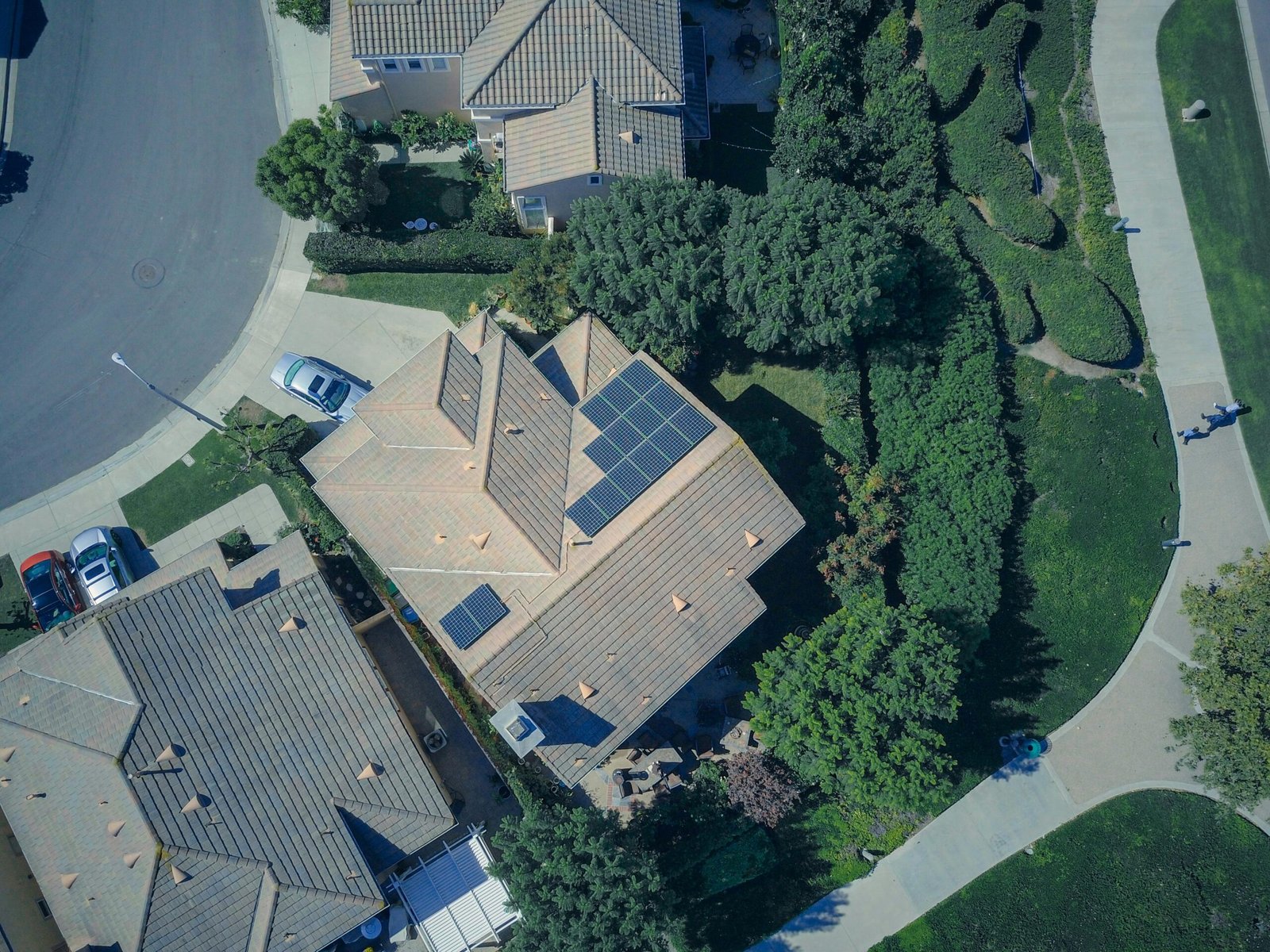
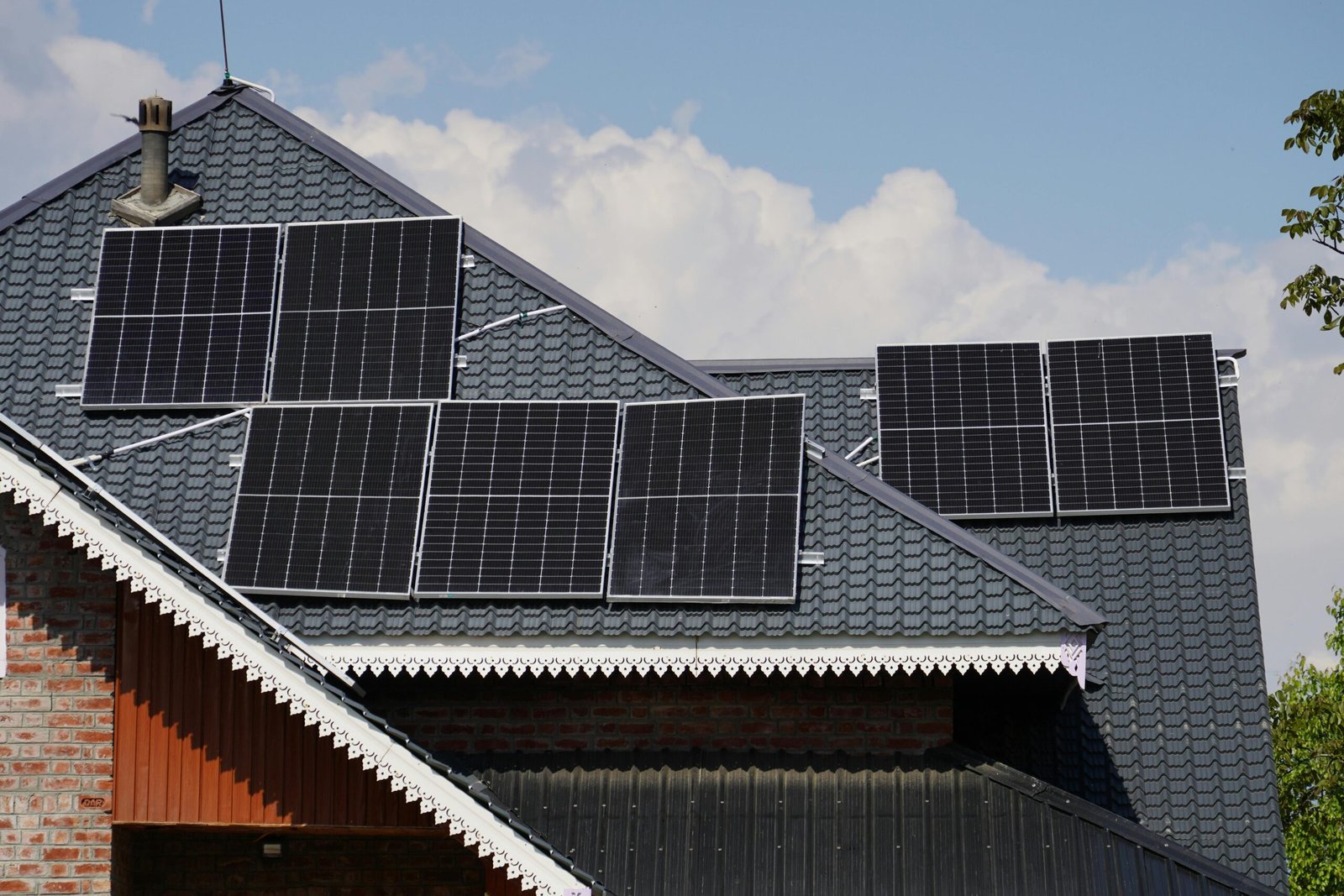
On the second day, the heat persists. Neighbors’ generators may have run out of fuel or drawn complaints over excessive noise. Meanwhile, your LFP battery system operates silently. Here, the second half of the “home sanctuary” puzzle — rooftop solar panels — plays a decisive role. As the first rays of morning sun hit, the solar array continuously converts light into electricity, directly charging the Buknuwo lithium iron phosphate battery bank. Even with reduced efficiency in extreme weather, a standard residential solar system in the U.S. easily generates 10–20 kWh of electricity during daylight hours. This means your batteries not only power the air conditioner during the day but also fully recharge by sunset, ready to endure a second sweltering night. From this point onward, the 72-hour limit is broken: as long as the sun rises, your power supply is effectively unlimited.
Hours 48–72: Calm Resilience, Dual Physical and Psychological Protection
By the third day, chaos outside may have peaked. Municipal water pressure may drop as pumping stations lose power. Your system can easily allocate a small amount of electricity to a home backup pressure pump, ensuring clean drinking water and basic showering. While neighbors grow anxious and restless, your home remains cool, with ice water, internet access, and hot meals. This is the deepest value of LFP batteries: they do not merely sustain physical survival, but also provide an unbreakable psychological defense. In a disordered external environment, maintaining calm and dignity is the highest form of crisis resilience.
The Ultimate Form of Power Freedom
Treating LFP batteries only as a “disaster safety net” underestimates their true value. In fact, for the remaining 360+ days of the year, this system generates substantial economic returns around the clock.
In regions like California operating under NEM 3.0 (Net Energy Metering 3.0), the financial benefits of selling solar power back to the grid have been drastically reduced. In short, solar energy generated during the day that goes unused is essentially wasted. With an LFP battery system, you can store excess solar power for free during the day, then disconnect from the grid and draw power from the batteries during peak hours (4 PM to 9 PM), when electricity rates reach exorbitant levels. This strategy, known as peak shaving, can save American families hundreds of dollars on monthly electric bills.
More importantly, the U.S. federal government heavily incentivizes this energy transition through the Inflation Reduction Act (IRA). Purchasing and installing a qualified energy storage system qualifies for a direct 30% federal Investment Tax Credit (ITC), drastically lowering the upfront cost of building a “home sanctuary.” When factoring in the system’s economic and physical lifespan (over a decade), it becomes clear that LFP storage not only protects your family during disasters but also pays for itself in daily life.
From the bone-chilling freeze in Texas to the suffocating heatwaves in California, every extreme weather alert reminds us: the old model of relying on the grid is obsolete. Leaving your fate to a fragile public power grid is equivalent to being unprepared in an era of rising global temperatures. An energy storage system built with high-quality lithium iron phosphate (LFP) batteries is redefining the modern home’s baseline. It is an insurance policy with no expiration date, an unyielding fortress, and the most tangible, accessible “power freedom” we can provide for our families in an uncertain world.